Introduction
Luxury interior design is more than filling a home with expensive furniture or decorative accessories. It is about creating spaces that combine elegance, comfort, functionality, and exceptional craftsmanship. Every element—from the flooring and lighting to the furniture and décor—works together to create a refined environment that feels welcoming and sophisticated. A thoughtfully planned luxury home interior design focuses on quality materials, timeless aesthetics, and personalized details that reflect the homeowner’s lifestyle.
Whether you are designing a new home or renovating an existing one, investing in timeless design principles ensures your interiors remain beautiful for years instead of following short-lived trends.
Why Timeless Design Never Goes Out of Style
Interior trends come and go, but timeless design continues to remain relevant because it emphasizes balance, quality, and simplicity. Neutral colors, natural materials, carefully selected furniture, and elegant finishes create interiors that look modern today and equally attractive years later. A timeless approach also increases the long-term value of your property while reducing the need for frequent renovations.
This guide explores ten practical ideas that help you create elegant interiors inspired by luxury interior design homes. You’ll also discover common mistakes to avoid, practical budgeting tips, and answers to frequently asked questions that make planning your dream home easier.
1. Choose a Neutral and Elegant Color Palette
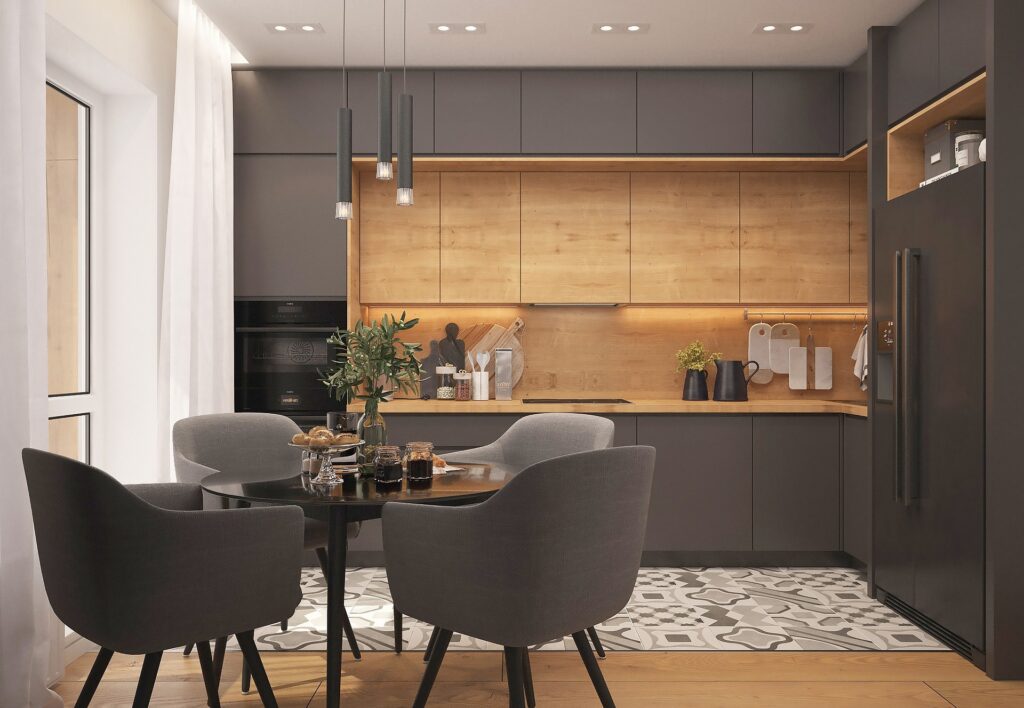
Color forms the foundation of every luxurious interior. Soft whites, ivory, beige, warm gray, taupe, cream, charcoal, and muted earth tones create a calm atmosphere that allows furniture and architectural details to stand out. Popular combinations include ivory with gold accents, beige paired with walnut wood, and soft gray complemented by black metal finishes.
These palettes work particularly well in living room luxury interior design, creating an inviting environment that feels spacious and sophisticated.
Accent colors should enhance rather than dominate the space. Deep navy, emerald green, burgundy, bronze, or matte black can be introduced through cushions, artwork, rugs, or decorative accessories. Limiting accent colors creates visual harmony while maintaining elegance.
Best Paint Finishes for Luxury Interiors
Matte and eggshell finishes provide soft sophistication on walls, while satin finishes work well in high-traffic areas. Textured paints and decorative wall coatings can add depth without overwhelming the room.
2. Invest in High-Quality Furniture
Well-crafted furniture is one of the defining characteristics of luxury interiors. Instead of chasing seasonal trends, choose timeless silhouettes featuring clean lines, balanced proportions, and neutral upholstery. Classic sofas, elegant dining tables, and solid wood cabinetry remain stylish for decades.
Exceptional craftsmanship ensures durability and visual appeal. Handmade details, premium upholstery, precision joinery, and carefully selected materials contribute to furniture that maintains both beauty and functionality over time.
Luxury is incomplete without comfort. Soft seating, ergonomic designs, supportive cushions, and carefully planned layouts create spaces where elegance meets everyday living.
3. Layer Different Lighting Sources
Ambient lighting provides the primary illumination throughout the room. Recessed ceiling lights, concealed LED strips, and elegant ceiling fixtures establish a warm and welcoming atmosphere.
Task lighting improves functionality by illuminating workspaces such as kitchen counters, reading corners, home offices, and vanity areas. Table lamps and adjustable wall lights combine practicality with style.
Accent lighting highlights artwork, textured walls, display shelves, and architectural features. Proper placement creates depth and enhances the visual interest of your interiors.
A striking chandelier instantly elevates the appearance of a room. Whether installed above a dining table or in a grand foyer, statement lighting becomes an artistic centerpiece while reinforcing the elegance of luxury interior design.
4. Incorporate Premium Materials and Finishes
Marble remains one of the most sought-after materials in luxury interiors. Its distinctive veining and polished appearance make it ideal for flooring, countertops, bathrooms, and feature walls.
Natural wood introduces warmth and authenticity. Walnut, oak, teak, and ash are frequently used for flooring, cabinetry, doors, and furniture because of their durability and timeless appeal.
Glass partitions, brass handles, bronze details, stainless steel accents, and black aluminum frames create refined contrast while maintaining an open and contemporary feel.
Decorative wall panels, fluted surfaces, stone cladding, wood veneers, and premium wallpapers add richness without excessive decoration.
5. Add Custom Storage Solutions
Custom wardrobes maximize organization while adding elegance. Well-designed storage includes dedicated spaces for clothing, accessories, lighting, mirrors, and display shelves.
Modular cabinets combine flexibility with modern aesthetics. Tailored kitchen storage, bathroom cabinets, and entertainment units improve functionality while maintaining a seamless appearance.
Hidden compartments beneath seating, integrated drawers, concealed cabinets, and multifunctional furniture help maintain clutter-free spaces.
Built-in shelves display books, collectibles, artwork, and decorative objects while becoming part of the architectural design rather than appearing as separate furniture pieces.
6. Create a Stunning Focal Point
Feature walls immediately attract attention. Marble panels, textured wallpapers, wooden slats, stone finishes, or artistic paint treatments establish a striking visual centerpiece.
A sculptural chair, luxury sofa, or handcrafted dining table can serve as the focal element that defines the character of an entire room.
Modern fireplaces, whether traditional or electric, introduce warmth, elegance, and architectural interest while enhancing the ambiance.
Large paintings, handcrafted sculptures, designer mirrors, and unique decorative objects personalize interiors while adding sophistication.
7. Use Premium Fabrics and Textures
Velvet remains one of the most luxurious upholstery materials due to its soft texture and rich appearance. It works beautifully on sofas, accent chairs, and headboards.
High-quality linen curtains soften natural light while adding texture and effortless elegance to living spaces.
Silk cushions introduce subtle shine and refined detailing that complements neutral color palettes without overpowering the room.
Plush Rugs and Carpets
Large rugs define seating areas while providing warmth and comfort. Natural wool, silk blends, and premium carpets contribute significantly to the luxurious atmosphere.
8. Decorate with Art and Accessories
Oversized artwork creates visual impact and expresses personality. Carefully selected paintings, framed photography, or abstract compositions complement the overall design theme.
Modern sculptures add dimension and sophistication. Position them on console tables, shelves, or dedicated display pedestals for maximum visual effect.
Large mirrors reflect natural light and create the illusion of larger spaces. Decorative frames can also serve as statement design elements.
Greenery introduces freshness and balances the refined finishes commonly found in luxury home interior design. Tall indoor plants, bonsai arrangements, and elegant planters soften modern interiors.
9. Embrace Smart Home Technology
Smart lighting systems allow homeowners to adjust brightness, color temperature, and schedules through voice control or mobile applications.
Motorized curtains enhance convenience while protecting furniture from excessive sunlight and improving energy efficiency.
Smart thermostats and automated air conditioning systems maintain comfortable indoor temperatures while optimizing energy consumption.
Advanced surveillance cameras, digital locks, motion sensors, and integrated alarm systems provide safety without compromising interior aesthetics.
10. Keep Spaces Minimal Yet Sophisticated
Luxury interiors feel organized and spacious. Remove unnecessary decorations, maintain hidden storage, and display only carefully chosen accessories.
Every room should allow effortless movement. Proper furniture placement, balanced spacing, and clear circulation paths contribute to comfort and elegance.
True luxury often comes from restraint rather than excess. A carefully curated selection of premium materials, elegant furniture, and thoughtful lighting creates greater visual impact than overcrowded spaces.
Luxury Interior Design Mistakes to Avoid
Adding too many decorative objects creates visual clutter and diminishes sophistication. Focus on quality instead of quantity.
Even beautiful furniture cannot achieve its full impact without proper lighting. Layer multiple light sources to create depth and atmosphere.
Following temporary trends often results in expensive renovations. Invest in classic materials and versatile furniture that remain relevant for years.
A luxurious appearance depends on functionality. Proper circulation, balanced furniture placement, and adequate storage are essential for comfortable living.
How to Design a Luxury Home on Any Budget
Begin with frequently used spaces such as the living room, kitchen, and master bedroom before upgrading secondary areas.
Choose one exceptional furniture piece or lighting fixture that immediately elevates the room rather than purchasing many inexpensive accessories.
Combine premium furniture with affordable decorative items, artwork, and textiles to create a balanced and refined interior.
Luxury interiors evolve over time. Replace finishes, lighting, and furniture gradually according to your budget while maintaining a consistent design style.
Frequently Asked Questions (FAQs)
What makes an interior look luxurious?
A luxurious interior combines premium materials, quality craftsmanship, balanced proportions, elegant lighting, sophisticated color palettes, and thoughtful attention to detail.
What colors are used in luxury interior design?
Neutral shades such as white, beige, ivory, taupe, gray, and soft earth tones form the foundation. Rich accent colors like navy, emerald, burgundy, and gold provide depth.
How can I create a luxury look on a budget?
Focus on timeless furniture, improve lighting, declutter your space, introduce elegant textiles, repaint walls in neutral tones, and purchase statement pieces gradually.
Which materials are best for luxury interiors?
Marble, granite, natural wood, brass, bronze, premium glass, engineered stone, velvet, linen, and silk are widely used because they offer durability and refined aesthetics.
Is luxury interior design suitable for small homes?
Yes. Small homes can achieve a luxurious appearance through efficient space planning, multifunctional furniture, concealed storage, neutral colors, large mirrors, and layered lighting.
Conclusion
Creating elegant interiors does not require excessive decoration. Instead, focus on timeless design principles, premium materials, quality craftsmanship, layered lighting, comfortable furniture, and organized spaces. These elements work together to create interiors that remain stylish and functional for years.
Final Design Tips
Start with a cohesive color palette, invest in long-lasting furniture, maximize natural light, choose quality finishes, and prioritize comfort alongside beauty. Small improvements made consistently often produce remarkable transformations over time.
Call to Action
Ready to create your dream home? Start by applying these timeless ideas one room at a time. Whether you’re planning a complete renovation or refreshing a single space, embracing luxury interior design principles will help you build a home that feels elegant, functional, and uniquely yours.